
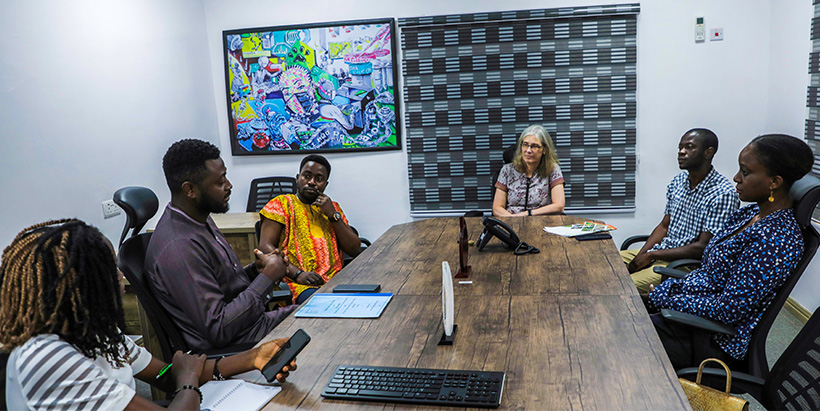
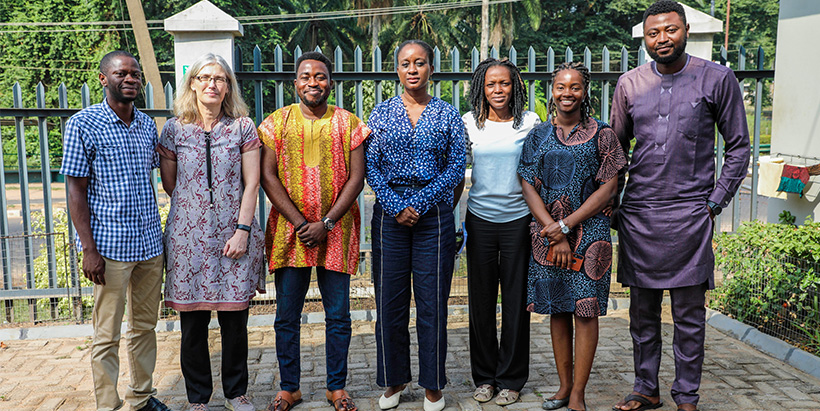
As the world consistently commits to halting the downward trend of biodiversity loss through constant advocacies, national commitments, research, discussions, and reviews, IITA Forest Center, Inqaba Biotec West Africa Limited, and Red Clay Advisory have come together to contribute to this initiative by sequencing the genome of 28 tree species native to Africa. The three partners signed an MoU to commence work on 9 December, coinciding with the ongoing UNCOP15 talks to protect 30% of the world’s land, oceans, and ecosystems.
Why trees? The loss of biodiversity and climate disruptions are interconnected, and trees play a significant role in protecting us from climate change and sustaining biodiversity, as many living creatures source their food, medicine, and shelter from trees. Studying the genetic resources of these trees will contribute to improving soil fertility, regulating atmospheric temperature, and providing shade, carbon sequestration, and other ecosystem services. Sequencing the genome of these tree species will protect them from extinction risk, and cause a ripple effect of the conservation of flora and fauna, sustain cultural values, improve human livelihoods, and empower people and nations economically.
The implementing partners will champion the delivery of the project from different angles, making a strong force for delivery in research, lifestyle changes, and economic and sustainable development. IITA–CGIAR, through its botanical nursery and vast tree species bank, will provide the specific tree specimens to be sequenced. Inqaba Biotec, through its state-of-the-art genome sequencing machines, will carry out full genome sequencing of identified species to provide rich biological data. Red Clay, through its tourism and advocacy programs, will frontier public awareness in the tourism, sociocultural, economic, and environmental conservation sub-sectors.
By studying the unique biology of these tree species, the project aims to sustain their adaptive capacity under changing environmental conditions and deliver research papers that will provide resources upon which future research could be based. Furthermore, the project will develop Africa’s ecotourism enterprises by contributing to the development of national parks, nature sanctuaries, and wetlands.
Inqaba Biotec Managing Director Lukman Aroworamimo said, “What triggered the tree genomic project is the need to create solutions to the increased rate of deforestation of indigenous trees in Africa over the past two decades. At a time when the technology to study these tree species in-depth is available, we are committed to making a change to prevent the extinction of these tree species.”
On her part, Red Clay Executive Director Adun Okupe said her company, which makes sustainable advisories on tourism development and policies, is on board to create awareness and advise clients and government agencies to adopt the benefits—medicinal, aesthetic, sociocultural, and economic—of the sequenced trees.
Hilde Koper-Limbourg, IITA Deputy Director General for Corporate Services, took the opportunity to praise the Forest Center for broadening partnerships, investments, and technical services since the current Forest Center Manager, Adewale Awoyemi, took over the leadership of the Unit in 2018.
Contributed by Folake Oduntan
Contributed by
Recent stories