
TAAT gains momentum with more start-up activities
April 29, 2018
The implementation of the Technologies for African Agricultural Transformation (TAAT) program continues to gain traction with several start-up activities already undertaken. In an email briefing to stakeholders at IITA, Program Coordinator Chrys Akem highlighted some of the achievements at this early stage which include planning meetings, hiring of staff, and submission of Compact documents.
 Following an inception meeting at the African Development Bank (AfDB) Headquarters in Abidjan, an inaugural and work planning workshop was held at IITA, Ibadan, on 22-25 January. At this meeting, nine value chains (rice, cassava, wheat, sorghum/millet, maize, high iron beans, orange-fleshed sweet potato, small livestock, and aquaculture) and five enabler/cross-cutting (policy, capacity building, ENABLE-TAAT, water management, and fall armyworm) compacts were presented based on an expanded Concept Note Template that had been prepared and shared with the Compact Leaders.
One of the key features of TAAT is the establishment of the Clearinghouse to serve as an independent evaluator and honest broker of outscaling efforts. To ensure its effectiveness, recruitment for a few key positions was expedited including the appointment of Dr Mpoko Bokanga as Head, TAAT Clearinghouse. Other appointments are Dr Mary Igbinnosa as the Partnership Engagement Expert, Dr Zefack Tonnang as the Agricultural Technology Transfer and Outreach Expert, and Dr Paul Woomer as a Consulting Technical Advisor to the Clearinghouse. Two consultants were also contracted for interim roles: Mr Dougou Kieta as Partnership Engagement Expert and Prof Alphonse Emechebe as Technology Transfer Expert.
The Protocol of Agreement between IITA and the African Development Fund on the implementation of TAAT was signed on 2 February 2018, the effective start-up date for the TAAT Program.
Following a proposal from the TAAT Appraisal Document, a TAAT Program Steering Committee (PSC), which is the highest decision-making body of TAAT, has been set up and was presented for approval by the AfDB. The newly appointed PSC participated in their first meeting at the Clearinghouse base in Cotonou on 27-28 March, during which the TAAT Compacts were approved.
A Program Management Unit (PMU) has also been set up. Dr Chrys Akem was appointed as TAAT Program Coordinator along with Mr Fashokun Seyi as TAAT Program Accountant, and Mr Monsuru Bakare as TAAT Procurement Specialist. This fulfilled one of the preconditions for first fund disbursement from the AfDB.
“I believe we are on track to effective Program implementation despite the challenges that delayed the start-up of the Program,” Akem noted in his email. He also assured that periodic updates would be shared concerning the progress of program implementation.
Following an inception meeting at the African Development Bank (AfDB) Headquarters in Abidjan, an inaugural and work planning workshop was held at IITA, Ibadan, on 22-25 January. At this meeting, nine value chains (rice, cassava, wheat, sorghum/millet, maize, high iron beans, orange-fleshed sweet potato, small livestock, and aquaculture) and five enabler/cross-cutting (policy, capacity building, ENABLE-TAAT, water management, and fall armyworm) compacts were presented based on an expanded Concept Note Template that had been prepared and shared with the Compact Leaders.
One of the key features of TAAT is the establishment of the Clearinghouse to serve as an independent evaluator and honest broker of outscaling efforts. To ensure its effectiveness, recruitment for a few key positions was expedited including the appointment of Dr Mpoko Bokanga as Head, TAAT Clearinghouse. Other appointments are Dr Mary Igbinnosa as the Partnership Engagement Expert, Dr Zefack Tonnang as the Agricultural Technology Transfer and Outreach Expert, and Dr Paul Woomer as a Consulting Technical Advisor to the Clearinghouse. Two consultants were also contracted for interim roles: Mr Dougou Kieta as Partnership Engagement Expert and Prof Alphonse Emechebe as Technology Transfer Expert.
The Protocol of Agreement between IITA and the African Development Fund on the implementation of TAAT was signed on 2 February 2018, the effective start-up date for the TAAT Program.
Following a proposal from the TAAT Appraisal Document, a TAAT Program Steering Committee (PSC), which is the highest decision-making body of TAAT, has been set up and was presented for approval by the AfDB. The newly appointed PSC participated in their first meeting at the Clearinghouse base in Cotonou on 27-28 March, during which the TAAT Compacts were approved.
A Program Management Unit (PMU) has also been set up. Dr Chrys Akem was appointed as TAAT Program Coordinator along with Mr Fashokun Seyi as TAAT Program Accountant, and Mr Monsuru Bakare as TAAT Procurement Specialist. This fulfilled one of the preconditions for first fund disbursement from the AfDB.
“I believe we are on track to effective Program implementation despite the challenges that delayed the start-up of the Program,” Akem noted in his email. He also assured that periodic updates would be shared concerning the progress of program implementation.
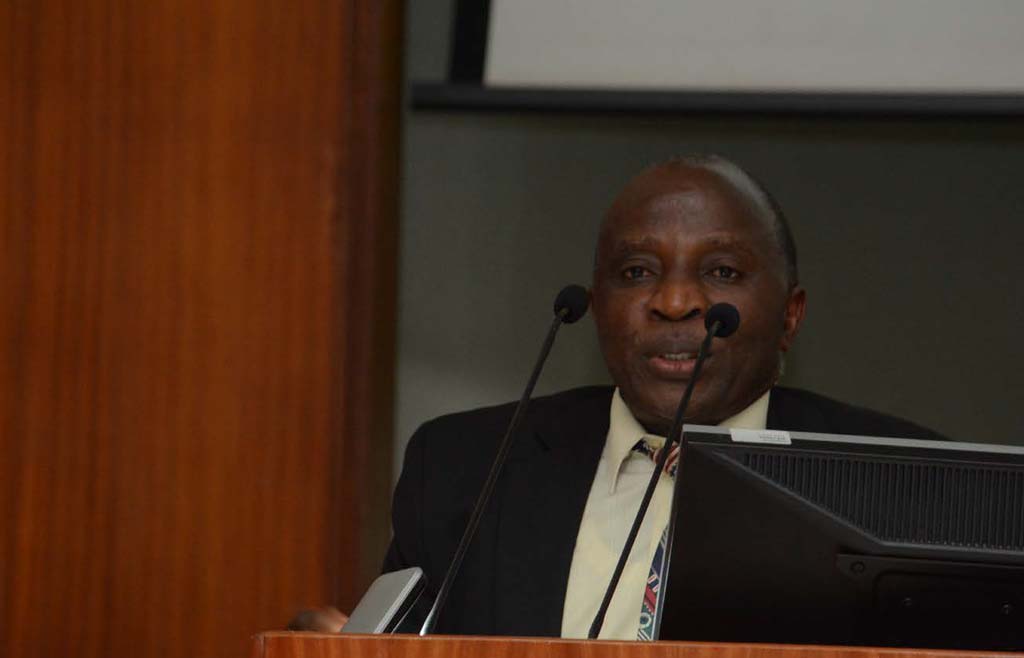
TAAT Program Coordinator, Chrys Akem
Contributed by
Recent stories
No items found