
IITA–CGIAR and the Government of Kenya have reaffirmed their commitment to strengthening collaboration in agricultural research, innovation, and technology development, following a high-level meeting held on 26 May 2026 in Nairobi. The IITA delegation, led by Rachel Zozo, Country Representative in Kenya, met with Prof. Shaukat Abdulrazak, Kenya’s Principal Secretary for the State Department for Science, Research and Innovation under the Ministry of Education.
The meeting objective was on ongoing partnerships and new opportunities to use science-based solutions to address agricultural challenges in Kenya and across Eastern Africa. The engagement comes as Kenya continues to prioritize agricultural transformation, food security, and the development of resilient farming systems.
The key area of discussion was IITA’s crop improvement research, particularly the development of a disease-resistant, transgene-free, genome-edited banana. The crop has been approved by Kenya’s National Biosafety Authority to proceed to field trials as a conventional crop, following a regulatory assessment. The trials are expected to generate evidence on the crop’s performance under Kenyan field conditions and its potential contribution to banana production.
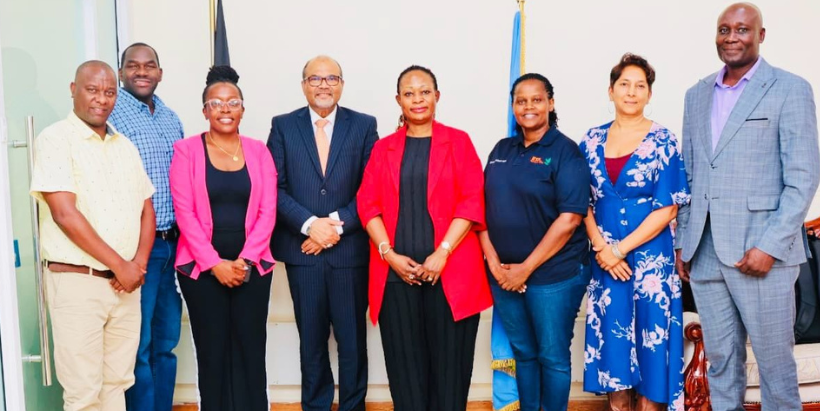
Prof. Abdulrazak recognized the contribution of CGIAR research centers to Kenya’s agricultural transformation agenda, saying, “CGIAR remains a valued partner in advancing agricultural research and innovation in Kenya. Strengthening coordination among the CGIAR centers will help ensure that science investments are aligned with our national development priorities and deliver greater impact.” He further commended IITA’s role in advancing research and innovation, stating, “IITA continues to demonstrate leadership in developing practical agricultural innovations. Your work is helping address critical challenges in food security, food safety, and farmer livelihoods.”
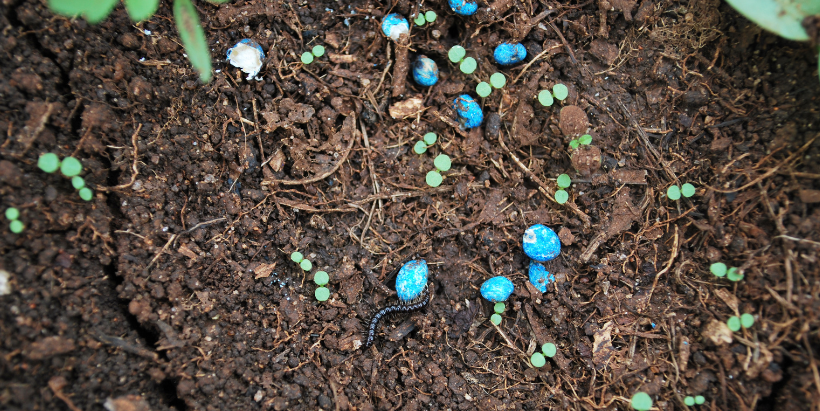
The PS expressed particular interest in Aflasafe, an IITA-developed biocontrol technology designed to reduce aflatoxin contamination in food crops. Aflatoxins are harmful toxins produced by certain fungi, such as Aspergillus flavus and Aspergillus parasiticus, that can contaminate crops such as maize and groundnuts before and after harvest. The contamination poses serious risks to public health, food trade, and farmers’ incomes.
Prof. Abdulrazak noted that aflatoxin management had recently been discussed with the Italian Ambassador and described IITA as a leading institution in this area.
He also expressed interest in visiting IITA’s Aflasafe factory at KALRO Katumani research station to observe Aflasafe production and other research activities; emphasizing the need to ensure that research results are translated into practical, accessible technologies that improve farmers’ productivity and support national development goals.
Rachel Zozo affirmed the continued collaboration between IITA and the Government of Kenya.
“IITA is committed to working closely with the Government of Kenya to develop and scale science-based innovations that improve productivity, strengthen food security, and build resilient agricultural systems. Our partnership reflects a shared commitment to delivering solutions that respond to farmers’ needs and national development priorities,” she said.
The meeting concluded with a renewed commitment by IITA and the Government of Kenya to deepen their partnership. The collaboration is expected to support stronger agricultural research systems, speed up the adoption of relevant innovations, and contribute to sustainable agricultural development, improved livelihoods, and food security in Kenya and the wider Eastern Africa region.
Contributed by
Rose Harriet Okech, Hadi Rashid, and Gloriana Ndibalema